
Board members & business leaders — Kuala Lumpur, Malaysia
Leading with AI: from experimentation to business control
A hands-on training program for boards and executive teams. Across four modules of 4 hours, leaders move from AI curiosity to informed, collective decisions — and leave with the literacy, governance and internal capability to turn scattered individual AI use into accountable, secure and measurable business value.
Malaysia contact: +60 10 241 4392 · WhatsApp · mbenkalfate@revenu-ia.com
Practical details
For who, how long, how it runs
For who?
Board members, CEOs and executive teams of companies operating in Malaysia. Each session is worked on real board material, not on demo files.
Duration
Four modules of 4 hours each, from the first session to the written action plan each leader takes back to their board.
Format
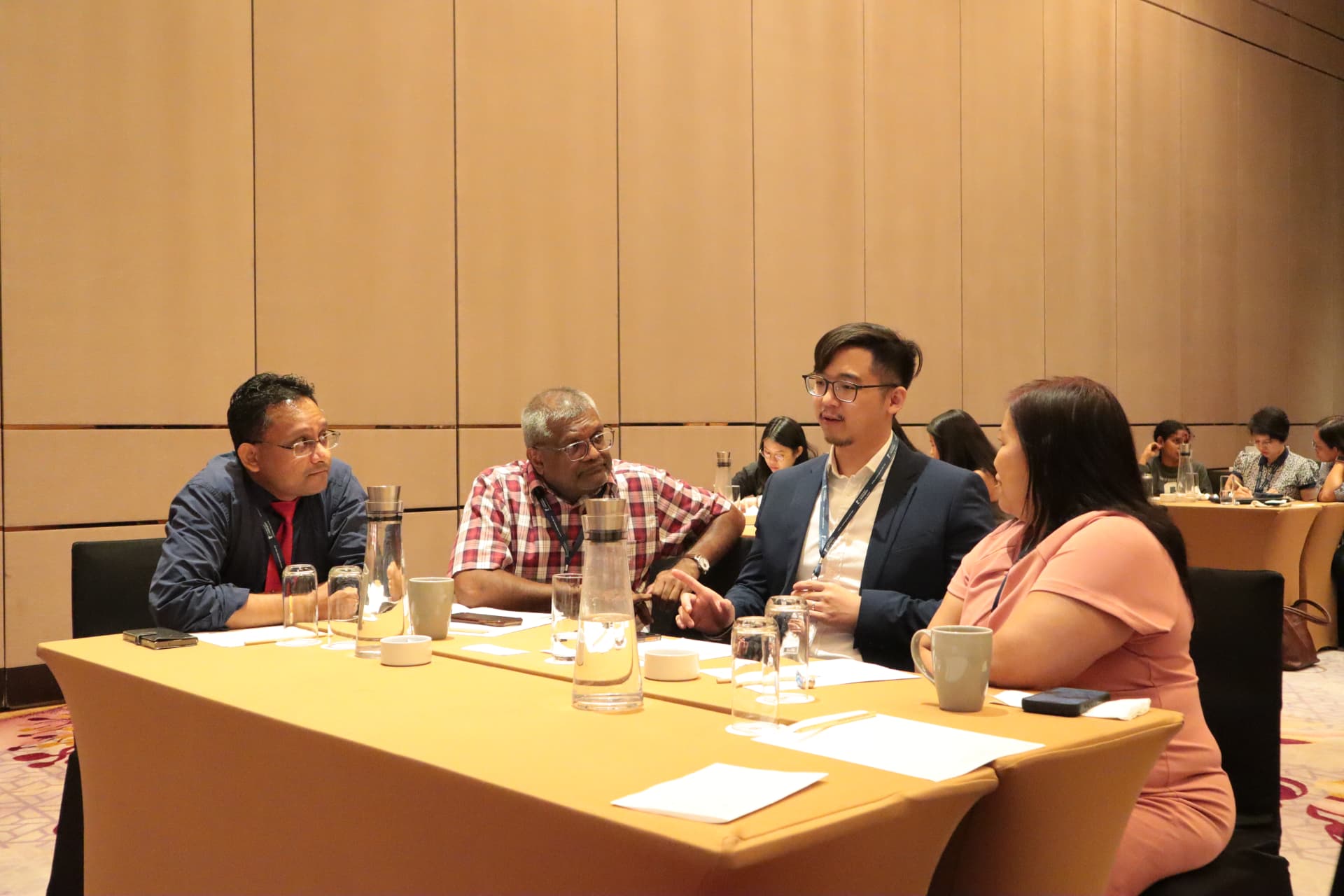
In person or hybrid, in-company or inter-company, in groups of 3 to 10 participants — fully hands-on, using your company's own tools.
Group size
3 to 10 participants per module
Tools
Your company's own AI environment and real board documents
Deliverable
A written action plan: what, by whom, by when
Two settings
In-company: the leadership team decides in the room. Inter-company: each director drafts a plan for their own board.
The program
Four modules of 4 hours: from user to steward
Most AI training teaches people to use tools. Leading with AI is built for the people who decide. Board members and executives learn to master AI and to make decisions about it together — and leave with a written plan, not just good intentions.
Module 1 · 4 hours
AI for the director's own work
Directors learn how AI works and where it fails by using it on real board material. They practise three Revenu-AI methods: SCOPE© frames a clear request, PROBE© makes the AI question the director before it answers, and SCORE© has a second AI critique the output. They also cover the rules for confidential material and which tasks must stay human.
→ Output: a personal AI toolkit for board preparation.
Module 2 · 4 hours
Overseeing management's AI
Directors see why the augmented employee is where the ROI is today. They learn how to triage use cases: automate, augment or drop. Two more methods follow: STEP© breaks a business case into stages, and SEAT© turns strong work into reusable prompts. The session also shows the red flags in AI proposals.
→ Output: a checklist to challenge any AI proposal.
Module 3 · 4 hours
Protecting the company
Directors cover the main risks: shadow AI, data leakage, prompt injection, rogue AI agents and vendor dependency. They review the Malaysian framework (PDPA, the AI Governance Bill, the SC, BNM and the Cybercrimes Bill) and run a 72-hour drill on an AI incident.
→ Output: a map of the company's AI exposure and the board questions that go with it.
Module 4 · 4 hours
Shaping the future
Directors learn how to lead the change: the leadership message, AI ambassadors and protecting human judgement. They then work on the decisions the board and executive team must take together. In an in-company session they take them in the room. In an inter-company session each director drafts a plan to take back to their own board.
→ Output: a 12-month AI action plan: what, who, by when.
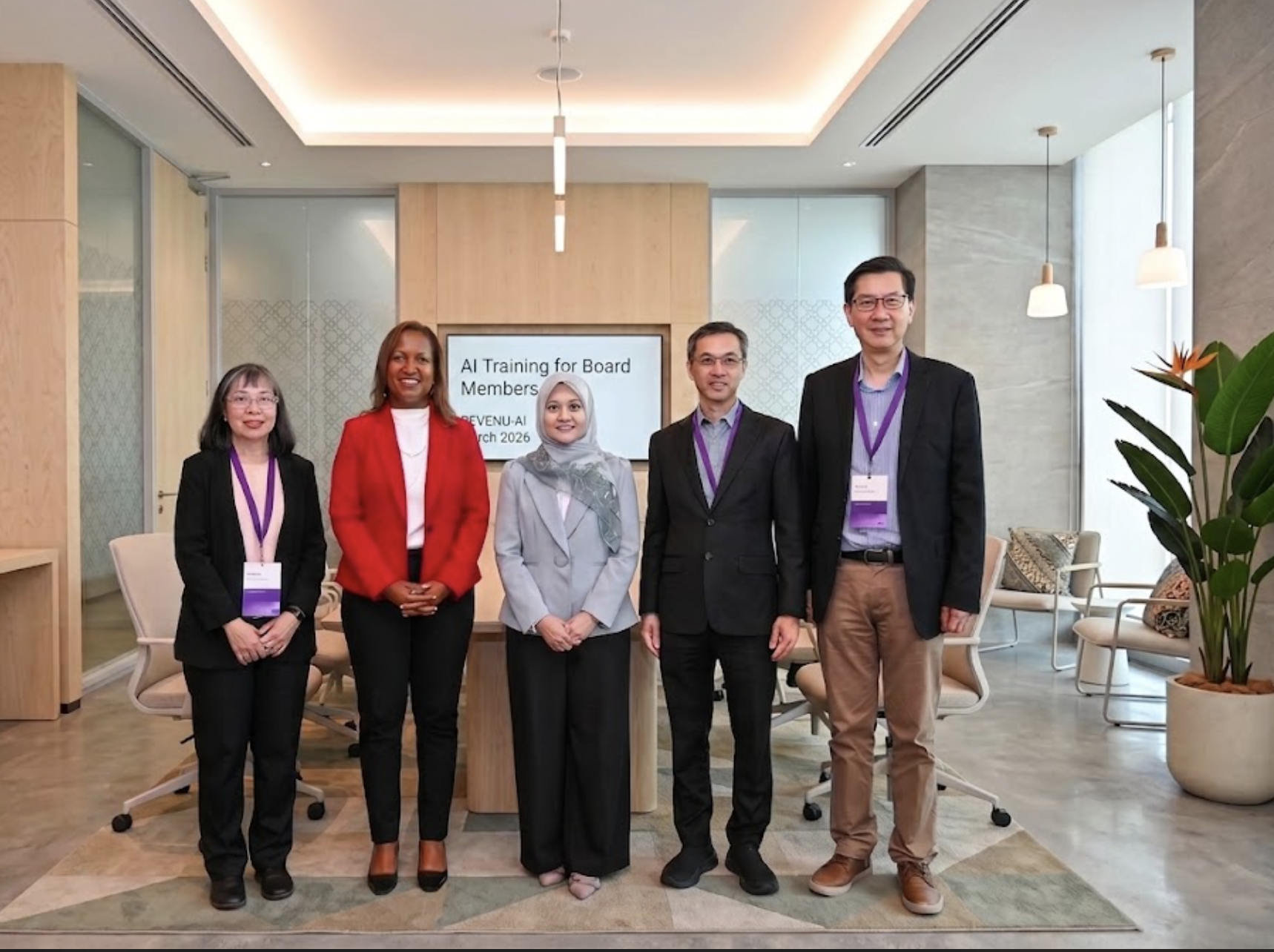
Key takeaways
What leaders walk away with
Real AI literacy
Each leader builds their own AI assistants and leaves with methods they can use the next morning.
Discipline on AI investment
Every use case is tied to a KPI, an owner and a go/no-go decision, so the gains show up in the P&L.
Risk under control
Leaders know where shadow AI and data exposure sit, and what the amended PDPA and the proposed AI Governance Bill mean for them.
Human judgement protected
Clear rules set out what AI can take on and what stays with people, so productivity doesn't come at the cost of accountability.
A plan, not just awareness
The program ends with a written action plan to run with your own board: what, who, by when.

How it's delivered
Methods, agents and decision rules
Five Revenu-AI methods
SCOPE© and PROBE© frame and clarify a request, SEAT© and STEP© turn strong work into reusable prompts and break complex tasks into controlled stages, and SCORE© has a second AI critique the output before it reaches the board.
Four ready-to-use AI agents
A use-case prioritisation agent, a governance agent, a human-capital agent and an agent-builder coach, each applied to real cases during the program.
Decision rules
The credibility and irreversibility test: if an outcome is irreversible or could harm credibility, a human does the work and AI reviews it. The three-way triage: automate, augment or drop each use case.

Your trainer
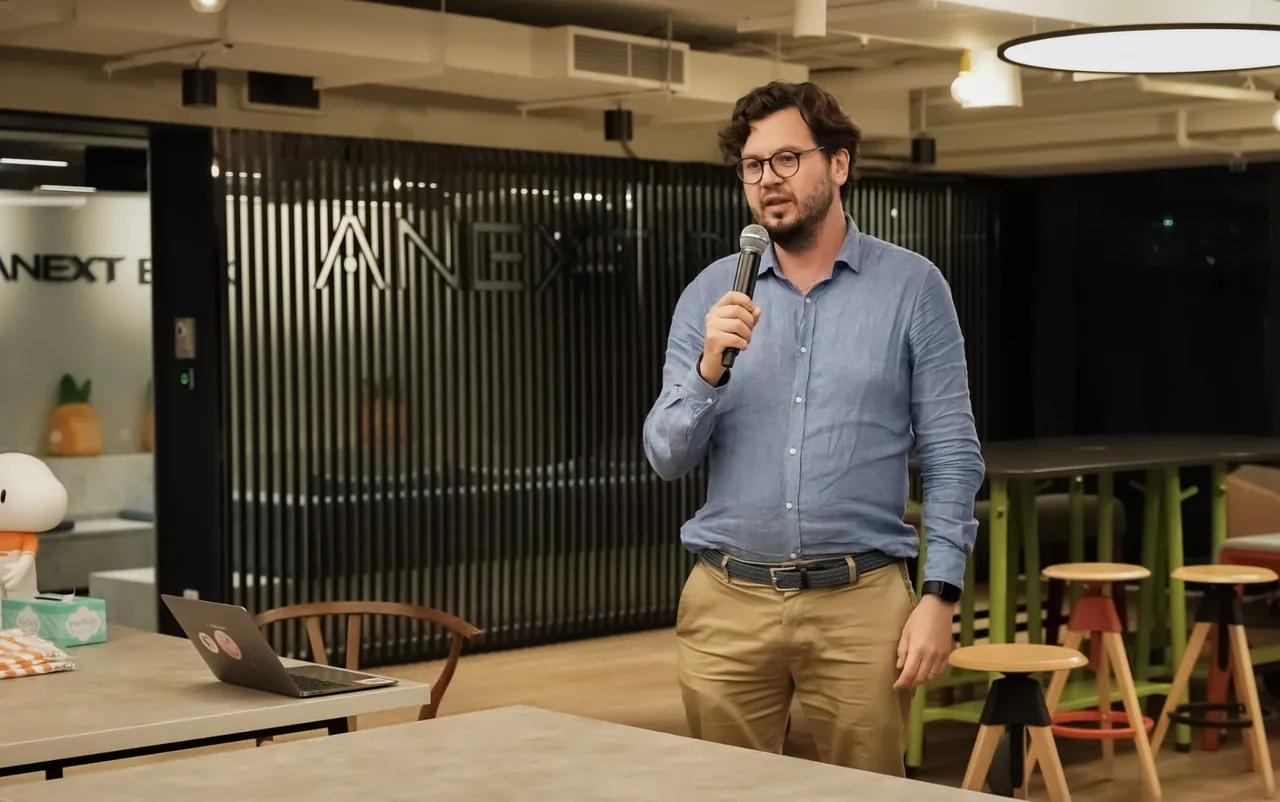
Mustapha Benkalfate
Mustapha Benkalfate is an international expert in artificial intelligence fluency. He designed a proprietary training method covering ChatGPT, Claude, Microsoft Copilot, AI agents and custom skills. More than 90,000 people worldwide have been trained with it, and Microsoft and LinkedIn purchased it in November 2024 for their global “Skills for in-demand jobs” initiative. He is co-founder of Revenu IA, an artificial intelligence consultancy and training provider for executives and organizations, and he is an associate researcher at the University of Nottingham, where his work focuses on AI-assisted executive decision-making.
Before founding Revenu IA, he was AI Director at Halifax Consulting. He also founded the EdTech group PGE-PGO, which he sold in 2015, and he founded Jobtimise.
He has written 12 books, including “Génération IA”, and he has designed AI curricula for Pôle Léonard de Vinci and Ideas International School.